
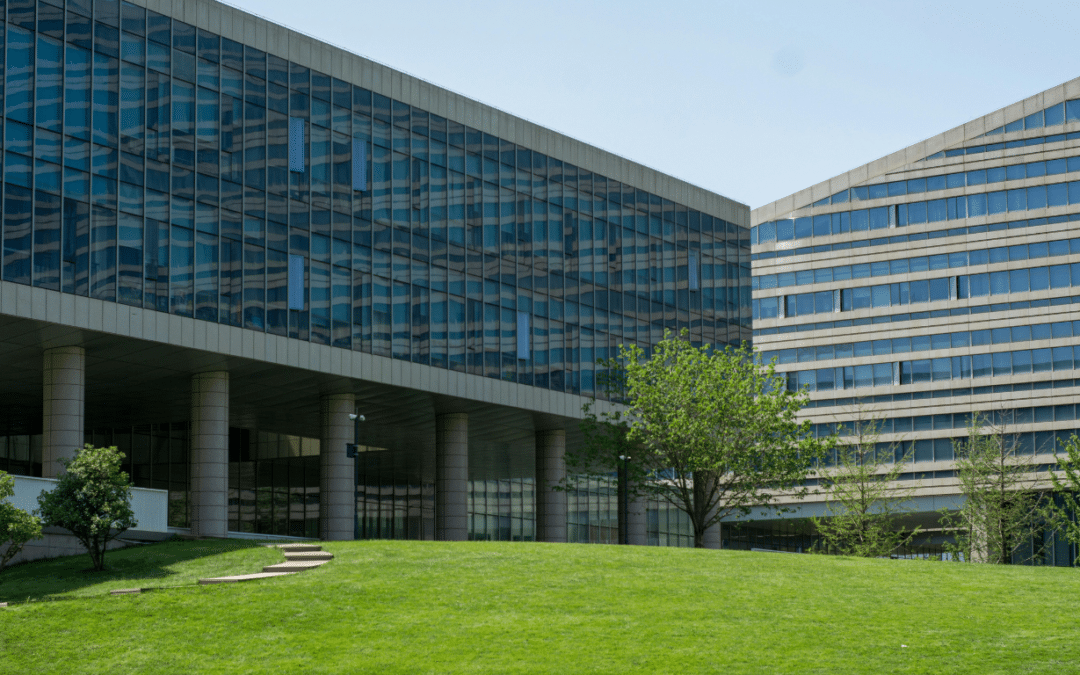
Commercial irrigation systems are responsible for keeping large landscapes healthy, attractive, and functional throughout the growing season. Unlike a typical residential system, however, commercial properties and planned communities may rely on dozens of irrigation zones operating across a much larger area. The Richmond area commonly sees commercial systems with 30 to 100 zones, while some properties can have as many as 150.
With that much equipment operating across one property, irrigation problems are not always immediately noticeable. Regular inspections give property managers and community associations an opportunity to identify issues early, adjust the system as conditions change, and prevent unnecessary water waste.
Why Commercial Irrigation Systems Need More Attention
A homeowner may quickly notice a broken sprinkler head in the front yard, but the same problem can be much harder to detect across acres of commercial landscaping. One malfunctioning zone could continue operating incorrectly for days or weeks before someone recognizes the problem.
That is why monthly inspections are especially valuable for larger properties. Regular irrigation inspections can help prevent leaks and broken equipment from continuing unnoticed [1], while also allowing technicians to inspect sprinkler heads, drip lines, coverage, and other components throughout the system.
Weather Changes Mean Irrigation Schedules Should Change Too
An irrigation system programmed when it starts up in April should not necessarily be operating on the same schedule in the middle of July. Temperatures, rainfall, soil moisture, and plant needs all change throughout the growing season.
The EPA recommends that irrigation schedules be adjusted to reflect actual site conditions, climate, plant materials, soil, and seasonal changes rather than being set once and forgotten [1]. A property may need significantly different irrigation in mild early spring weather than during hot, dry stretches later in the summer.
Routine inspections create opportunities to make these adjustments before overwatering or underwatering begins affecting the landscape.
Routine Inspections Catch Leaks and Broken Components Early
Even relatively small irrigation problems can waste substantial amounts of water over time. Leaks can account for more than 6 percent of a commercial facility’s total water use [2], and irrigation malfunctions can quickly add thousands of gallons of unnecessary consumption.
Monthly inspections allow technicians to look for broken or clogged sprinkler heads, leaks, improper spray patterns, water pooling, runoff, and areas receiving too little water. The EPA specifically recommends monthly irrigation system inspections to identify leaks, broken or clogged heads, and other problems [3].
Addressing these issues early can help protect both the landscape and the property’s operating budget.
Commercial Landscapes Experience More Wear and Tear
Commercial irrigation systems also face risks that homeowners may encounter less frequently. Landscaping crews, mowers, utility contractors, construction work, and other vendors regularly move throughout commercial properties.
A mower or piece of equipment can accidentally damage a sprinkler head, while other work may shift components or interfere with irrigation lines. Because a large property has so many zones, these issues may remain hidden until a section of landscaping begins to decline or a noticeable leak develops.
Protect Your Property With Professional Irrigation Inspections
A commercial irrigation system should not be treated as a set-it-and-forget-it system. Regular maintenance and monitoring help commercial facilities identify water waste, equipment problems, and opportunities to improve efficiency [4], while seasonal adjustments keep irrigation aligned with changing landscape conditions.
For HOAs, commercial properties, and planned communities throughout the Richmond area, routine inspections can help protect landscaping, control water use, and keep complex irrigation systems operating properly.
Contact James River Irrigation today to schedule professional irrigation system inspections and keep your property prepared for changing conditions throughout the growing season.
Sources: