
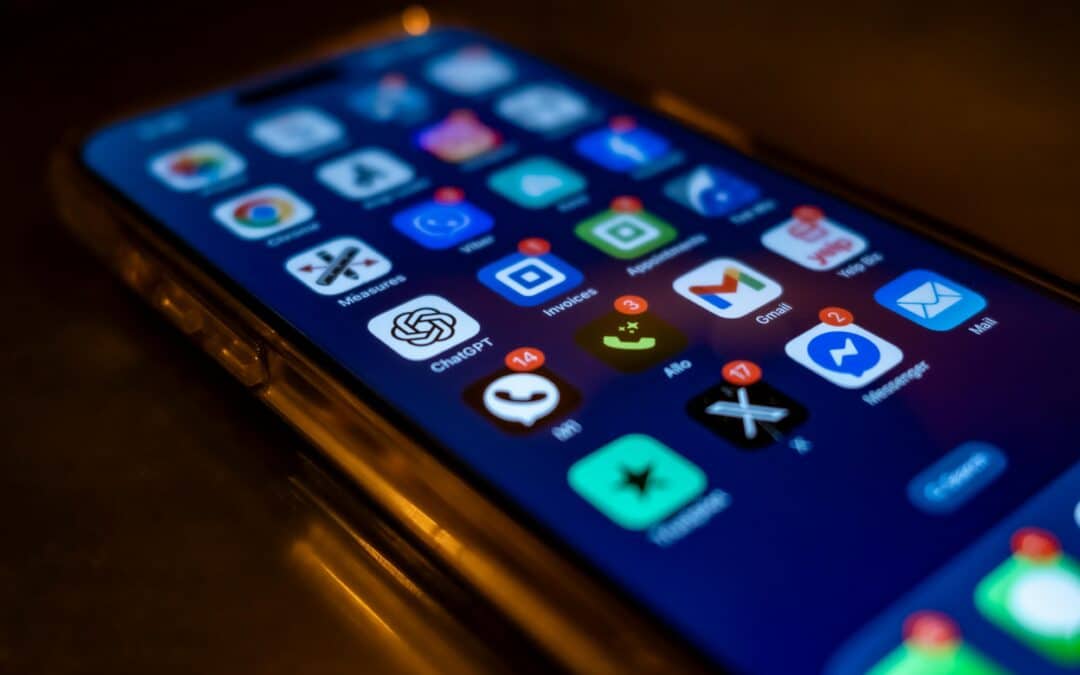
Modern irrigation systems are no longer limited to fixed timers and manual adjustments. Today’s smart irrigation technology allows homeowners to monitor, adjust, and automate watering schedules directly from a smartphone or tablet. Whether you are at work, on vacation, or simply relaxing indoors, mobile app integration makes managing your irrigation system easier, and more efficient than ever.
Here are some benefits of controlling your home irrigation system remotely.
Benefit 1: Remote Access Makes Lawn Care More Convenient
One of the biggest advantages of smart irrigation systems is the ability to control watering schedules from virtually anywhere. Wi-Fi-enabled irrigation controllers can connect directly to mobile apps, allowing homeowners to turn zones on or off, adjust watering schedules, and monitor system activity remotely [1].
This convenience is especially useful during changing weather conditions or while traveling. If heavy rain is in the forecast, watering schedules can quickly be adjusted without needing to access the controller manually. Likewise, homeowners can respond immediately if lawns or landscaping need additional watering during hotter temperatures.
Benefit 2: Smarter Watering Helps Reduce Water Waste
Traditional clock-based irrigation systems often continue watering on fixed schedules, even when weather conditions change. Smart irrigation systems use local weather data, landscape conditions, and seasonal adjustments to deliver more precise watering schedules [2].
Many systems can automatically reduce or skip watering during rainy periods, helping homeowners avoid unnecessary water use. Some advanced controllers also incorporate soil moisture sensors and weather forecasting to continuously optimize irrigation timing.
Benefit 3: Real-Time Monitoring Can Help Catch Problems Early
Mobile app integration also gives homeowners better visibility into how their irrigation system is performing. Many smart irrigation systems include monitoring features that can detect leaks, broken sprinkler heads, excessive water use, or unusual flow activity [3].
Receiving alerts directly through a mobile app allows homeowners to respond quickly before minor issues become expensive repairs or lead to wasted water. Monitoring features also help ensure every irrigation zone is operating properly and efficiently throughout the season.
Some systems even allow homeowners to track water usage trends over time, making it easier to manage utility costs and identify opportunities for improved efficiency.
Benefit 4: Smart Irrigation Systems Adapt to Modern Landscapes
Today’s irrigation technology is designed to work with a wide range of landscaping layouts and watering needs. Many smart controllers can independently manage multiple watering zones, allowing lawns, flowerbeds, shrubs, and gardens to receive customized irrigation schedules [1].
Some systems also integrate with smart home platforms and voice-control devices, adding another level of convenience for homeowners looking to simplify property management.
As weather patterns become less predictable, flexible irrigation systems can help homeowners maintain healthier landscapes while using water more responsibly.
Upgrade Your Irrigation System With Smarter Control
Smart irrigation technology gives homeowners more control, convenience, and efficiency than traditional watering systems. From automated weather adjustments to real-time mobile monitoring, app-connected irrigation systems can help protect landscapes while reducing water waste and simplifying lawn care.
If you are ready to modernize your irrigation system with smart technology and remote access capabilities, our team at James River Irrigation can help you find the right solution for your property. Contact James River Irrigation today to schedule a consultation and explore smarter irrigation options for your home.
Sources: