

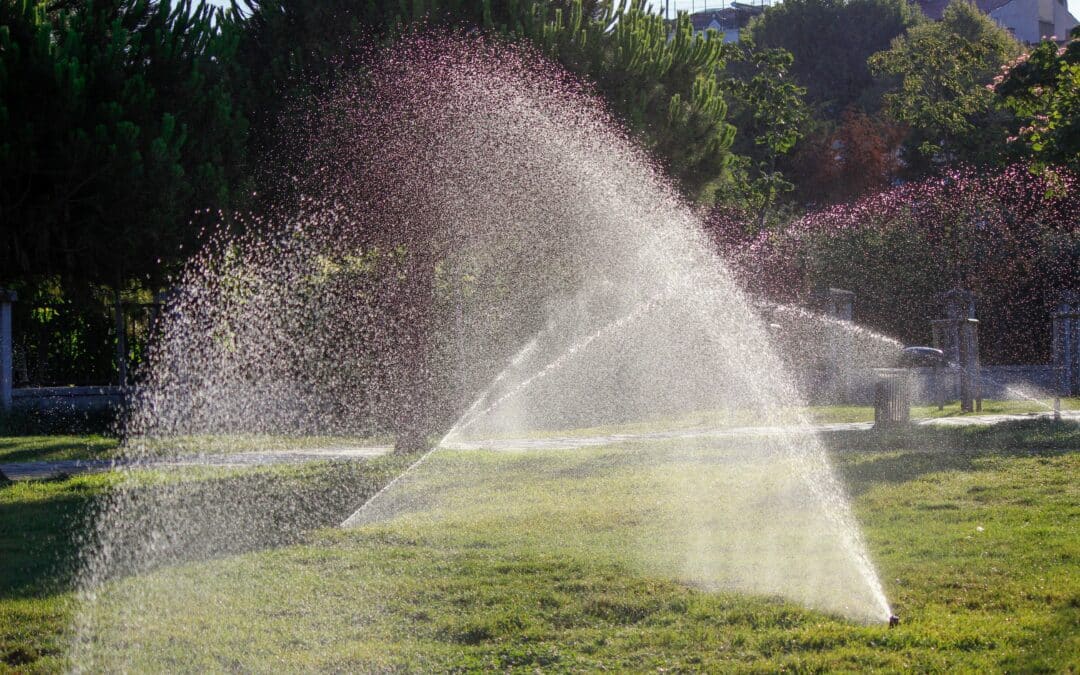
Home irrigation systems are a convenient and effective way to maintain lush green lawns and flourishing gardens, particularly in areas prone to dry spells. But if you haven’t used your irrigation system in a while or it’s old, it’s important to assess it to see if it can be restarted and used.
How can you determine if your old home irrigation system still has life left in it? Here are a few steps to see if you can get your irrigation system working again.
Step 1: Inspect the System Components
Before turning on your old irrigation system, conduct a thorough visual inspection. Look for visible signs of damage such as cracked pipes, missing sprinkler heads, or corroded components. Pay particular attention to areas exposed to the elements, as these are often more susceptible to wear and tear. If you notice any major damage, you may need to replace certain components to ensure the system functions efficiently.
Step 2: Test the Water Supply
The water source for your irrigation system needs to be reliable and uncontaminated. Turn on the water supply and check for strong water pressure at the start of the system. Low water pressure might indicate clogs, leaks, or issues with the water supply itself. Ensure that your water supply remains consistent throughout the testing process. Sometimes, fluctuations in pressure occur due to external factors, which can be resolved by servicing or adjusting the valves in your system.
Step 3: Evaluate Pipe Integrity
Pipes form the backbone of any irrigation system. If your system has been dormant for an extended period, sediments and debris may have accumulated within the pipes. Run water through the system and observe if there are any leaks or reduced water flow from certain sections. Listen for unusual sounds such as hissing, which can indicate leaks. A professional pressure test may be necessary to thoroughly assess the pipe’s integrity.
Step 4: Check the Sprinkler Heads and Nozzles
Sprinkler heads and nozzles are crucial for distributing water evenly across your lawn or garden. Over time, these parts may become clogged with dirt, debris, or mineral deposits. Clean each sprinkler head and remove any obstructions. Test each zone by turning on the sprinklers to ensure that water distribution is even and that none of the heads are malfunctioning. If you notice a head that doesn’t pop up or retract properly, it may need lubrication or replacement.
Step 5: Review the Controller and Wiring
The controller is the command center of your irrigation system, dictating when and how much water should be distributed. Check that the controller is functioning correctly and that all the wiring connections are secure. Old systems may have outdated controllers that require reprogramming or replacement to ensure optimal performance. Make sure the settings are adjusted according to seasonal needs and water conservation practices.
Step 6: Assess System Efficiency
An efficient irrigation system conserves water while effectively watering your garden. Observe the watering coverage and the duration set in the system. If areas of your landscape are being overwatered or under-watered, reevaluate and adjust the system settings to optimize coverage and efficiency. Modern advancements like rain or soil moisture sensors can significantly enhance an old system’s efficiency, so consider these upgrades.
Step 7: Consult a Professional
After conducting these initial checks, consulting with a professional can provide a more comprehensive evaluation. An irrigation system expert can identify problems not visible during a DIY inspection and offer solutions that fit with your budget and landscape needs. Professionals can also advise on potential system upgrades to improve water efficiency and meet contemporary standards.
Get Your Irrigation System Working With Us
If you’re ready to breathe new life into your lawn or garden with an effective irrigation system, contact James River Irrigation for a thorough assessment and to ensure your old system is back in top shape. Our skilled professionals are trained to handle all aspects of irrigation repair and maintenance, making sure your lawn and garden receive the care and hydration they deserve. Reach out today to schedule a consultation!